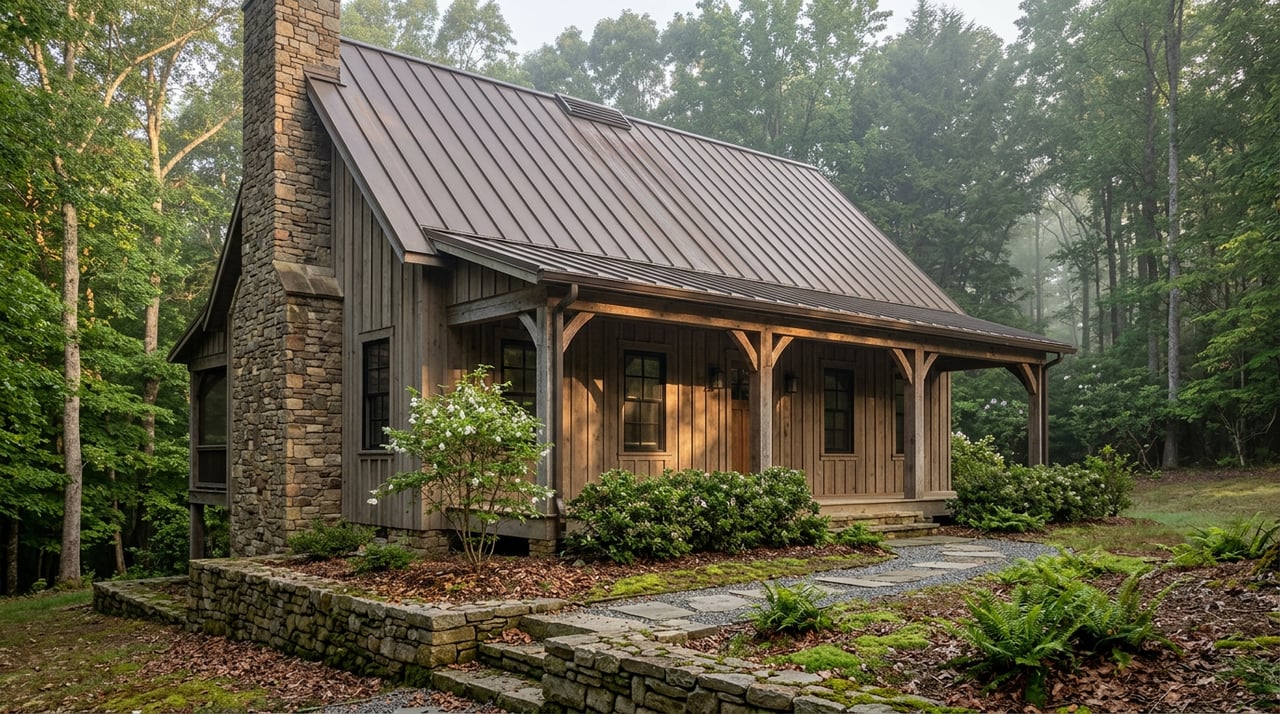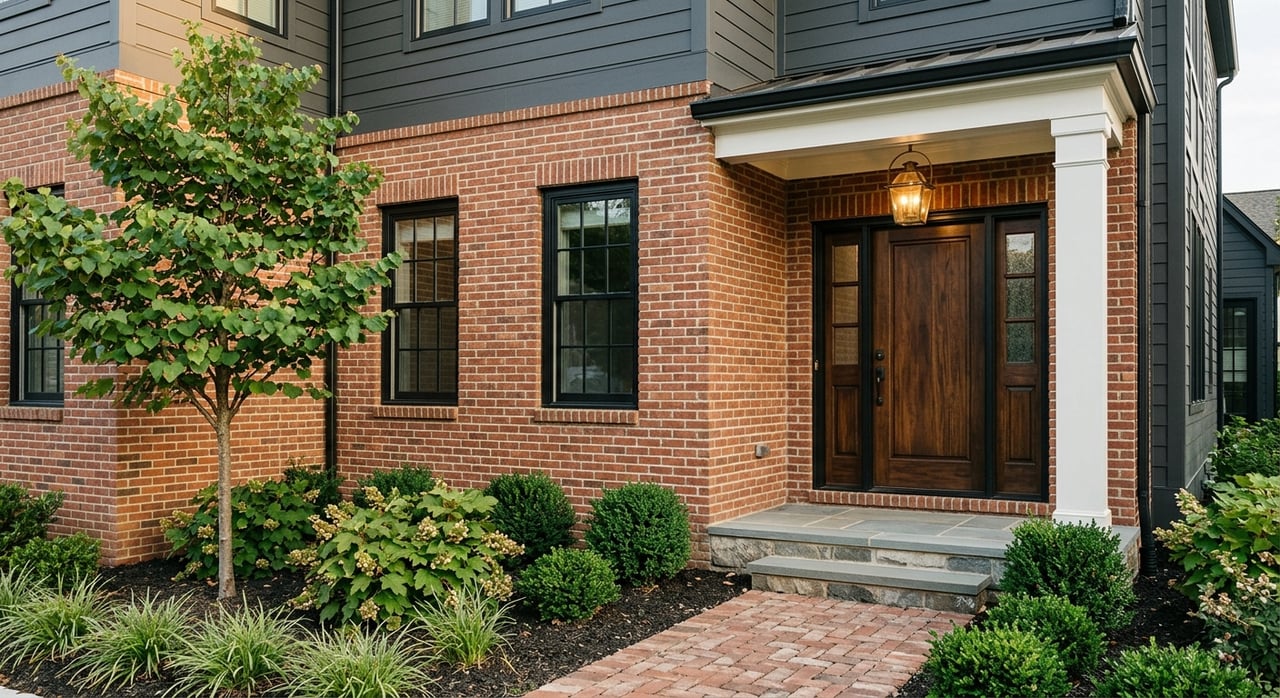
Wondering what kind of home makes the most sense in Farragut? If you are weighing a traditional single-family home against a townhome, condo, or low-maintenance community, you are not alone. Farragut offers several ownership options, and each comes with a different mix of space, upkeep, price, and monthly costs. Let’s break down what you should know so you can choose with more clarity and confidence.
Farragut Housing at a Glance
Farragut is a 16.2-square-mile town in Knox County with a 2020 population of 23,506. It is also a strongly owner-occupied market, with Census QuickFacts showing an owner-occupied housing unit rate of 84.7% for 2020 through 2024.
That matters because it helps explain the feel of the local housing market. Farragut is not a renter-heavy area. Instead, it is largely made up of owner-occupied neighborhoods, with detached single-family homes still serving as the most common housing type.
Farragut also sits at the higher end of the Knox County market. Recent reports placed the median listing price at $780,000, while Redfin reported a median sale price of $786,979 over the prior three months ending in May 2026. By comparison, Knox County’s median home sale price was $400,000 in April 2026.
Another local factor buyers often appreciate is that the Town of Farragut says it does not levy a municipal property tax. That does not make every housing option inexpensive, but it is an important part of the ownership cost picture.
Why Housing Type Matters
Choosing a home type is about more than square footage. It also affects your privacy, outdoor space, maintenance responsibilities, and monthly carrying costs.
In Farragut, that choice can be especially important because the market is already priced above the county benchmark. A home that looks less expensive at first glance may still carry higher monthly costs if it includes HOA or condo dues.
The town’s planning framework also supports a wider housing mix over time. Farragut’s comprehensive land-use plan uses flexible density to encourage options such as single-family homes, duplexes, and some townhomes, while still emphasizing gradual transitions and site-specific limits like slopes, drainage, sinkholes, and flooding.
Single-Family Homes in Farragut
Single-family homes are still the default image of Farragut housing. Historically, detached homes have made up the largest share of the town’s housing inventory, and that pattern still shapes the market today.
If you want the most privacy and outdoor space, this option often checks those boxes. Detached homes usually sit on their own lots, which can give you more separation from neighbors and more flexibility in how you use your yard.
The tradeoff is maintenance. With a single-family home, you are typically responsible for the roof, siding, lawn care, drainage, and exterior repairs.
In Farragut, detached homes also tend to sit at the top of the local price ladder. Since this is the dominant product type in a higher-priced market, buyers often see single-family homes as the premium baseline rather than the entry point.
Who a Single-Family Home May Suit
A single-family home may be a good fit if you:
- Want more privacy
- Prefer more yard space
- Are comfortable managing exterior upkeep
- Want the most traditional ownership setup in Farragut
Townhomes in Farragut
Townhomes can be a smart middle ground if you want ownership with less exterior work than a detached home. In general, a townhome is a multistory home that may be attached and, in some cases, even detached, so the label does not always mean a standard rowhouse layout.
In many townhome communities, an HOA or planned development handles common areas and sometimes reduces the amount of yard or exterior work you manage yourself. That can appeal to buyers who want a more streamlined lifestyle.
Townhomes often cost less than detached homes on a pure housing basis, but that does not automatically make them budget properties in Farragut. Because the overall market is higher priced and attached inventory is more limited, many townhomes still land in the mid- to upper-price range.
Redfin’s recent snapshot showed 26 townhouses among last month’s for-sale inventory in Farragut. That suggests townhomes are a real part of the market, but still a smaller segment than detached homes.
What to Watch With Townhomes
Before you buy a townhome, look closely at:
- Monthly HOA dues
- What the HOA maintains
- Rules for exterior changes or use of common areas
- Reserve funding and association finances
- Any history of special assessments
Condos in Farragut
Condos offer another path to homeownership, especially if you want a property with shared exterior maintenance. A condo is an individually owned unit within a shared development, and condo communities can take different forms, including garden-style buildings, midrise buildings, high-rise buildings, or multistory townhome-style designs.
One of the biggest draws is convenience. Condo associations usually manage the exterior and common areas, and fees may cover repairs, amenities, and sometimes utilities such as water, sewer, or trash.
Condos can offer a lower upfront entry point among ownership types, but the monthly fee matters. A lower purchase price does not always mean a lower total monthly cost once dues and possible assessments are factored in.
Farragut’s condo market appears limited but present. Redfin’s recent snapshot showed 7 condos among last month’s for-sale inventory, which means buyers may have fewer choices in this category at any given time.
Condo Questions to Ask Early
If you are considering a condo, review:
- Association finances
- Insurance responsibilities between owner and association
- Bylaws and community rules
- Monthly fees
- Special-assessment history
Low-Maintenance Communities Explained
In Farragut, low-maintenance living is not one strict property type. It can include attached homes, townhomes, condos, and even smaller-lot detached homes.
The main idea is simple: you trade some private maintenance responsibility for shared services, amenities, or both. For many buyers, the appeal is not just less yard work. It is also the chance to enjoy features such as walking trails, pools, tennis courts, clubhouses, or passive open space.
Farragut requires developers to set aside 10% of a project’s acreage for passive open space or recreational amenities. That helps explain why some newer or planned communities may place a stronger focus on shared outdoor features and community design.
This option can work well if you want an easier day-to-day ownership experience. Still, it is important to understand exactly what your dues cover and what remains your responsibility.
Compare the Main Housing Choices
| Housing Type | Privacy and Space | Maintenance | Price Positioning in Farragut |
|---|---|---|---|
| Single-family home | Usually the most privacy and yard space | Owner typically handles full exterior upkeep | Often at the top of the local price ladder |
| Townhome | Moderate privacy, often less yard space | HOA may handle some common or exterior elements | Often below detached homes on structure alone, but still mid- to upper-range locally |
| Condo | Less private outdoor space, shared development | Association usually manages exterior and common areas | Can offer lower upfront entry, but fees affect total cost |
| Low-maintenance community | Varies by property type | Shared maintenance and amenities are common | Pricing varies based on lot size, amenities, and HOA structure |
Total Monthly Cost Matters More Than List Price
One of the biggest mistakes buyers can make is comparing homes only by purchase price. In Farragut, total monthly cost often tells the more useful story.
HOA or condo dues are usually paid directly to the association rather than included in your mortgage payment. Those dues can range from a few hundred dollars a month to more than $1,000, depending on the community and what is covered.
That means a lower-priced townhome or condo may not always feel cheaper month to month than a single-family home. On the other hand, a detached home with no HOA may still cost more over time if you need to budget separately for lawn care, exterior repairs, or major upkeep.
A smart comparison should include:
- Mortgage payment
- Property taxes
- HOA or condo dues
- Insurance obligations
- Utility costs, if affected by the community structure
- Expected maintenance and repair costs
How Farragut’s Planning Affects Your Options
If you are seeing a wider mix of housing in Farragut than you expected, that is not accidental. The town’s land-use plan explicitly supports more housing choice through flexible density in certain areas.
Medium-density residential land use can range from 6 to 12 units per acre and may include a mix of single-family homes, duplexes, and some townhomes. At the same time, the plan emphasizes gradual transitions between development types rather than abrupt changes.
The town also recognizes practical site constraints. Steep slopes, sinkholes, drainage, and flooding all influence where certain housing forms make sense.
For buyers, this means two things. First, detached homes still define much of Farragut. Second, attached and low-maintenance options are also part of the town’s intended growth pattern.
How to Choose the Right Fit for You
The best housing choice depends on how you want to live, not just what looks best online. A beautiful detached home may not be ideal if you want less upkeep, and a neat low-maintenance community may not be the right fit if you want more privacy or outdoor space.
As you narrow your search in Farragut, ask yourself:
- How much exterior maintenance do you want to handle?
- How important are privacy and yard space?
- Do you want shared amenities?
- Are HOA dues worth the tradeoff for less upkeep?
- Do you want a home that may be easier to manage if you are relocating or traveling often?
If you are moving from out of town, these questions matter even more. It helps to have someone local who can explain how one community functions differently from another and what ownership costs really look like beyond the listing price.
Farragut offers more variety than many buyers expect, but the right choice usually becomes clearer once you match the property type to your day-to-day lifestyle, budget, and long-term plans.
Whether you are relocating to East Tennessee or simply comparing your next move within the Knoxville area, working with an organized local guide can make the process feel much more manageable. If you want help sorting through Farragut housing options with a clear, practical strategy, connect with Debra Gauthier.
FAQs
What housing type is most common in Farragut, TN?
- Detached single-family homes are still the most common and most recognizable housing type in Farragut, while townhomes and condos make up smaller segments of the market.
Are Farragut townhomes usually cheaper than single-family homes?
- Townhomes often cost less than detached homes on a pure housing basis, but in Farragut they can still fall in the mid- to upper-price range because the overall market is higher priced and attached inventory is limited.
Do Farragut condos and townhomes usually have HOA fees?
- Many condos and townhomes in Farragut are part of association-managed communities, and those dues are typically paid separately from the mortgage.
What does low-maintenance living mean in Farragut, TN?
- In Farragut, low-maintenance living usually means less exterior and yard responsibility in exchange for HOA dues, shared community rules, and sometimes access to amenities or open space.
What should buyers review before buying a condo or townhome in Farragut?
- Buyers should review HOA or condo documents, dues, reserve funding, insurance responsibilities, bylaws, and any special-assessment history before making an offer.
Does Farragut, TN have a municipal property tax?
- According to the Town of Farragut, the town does not levy a municipal property tax, which can help shape the overall ownership cost picture.