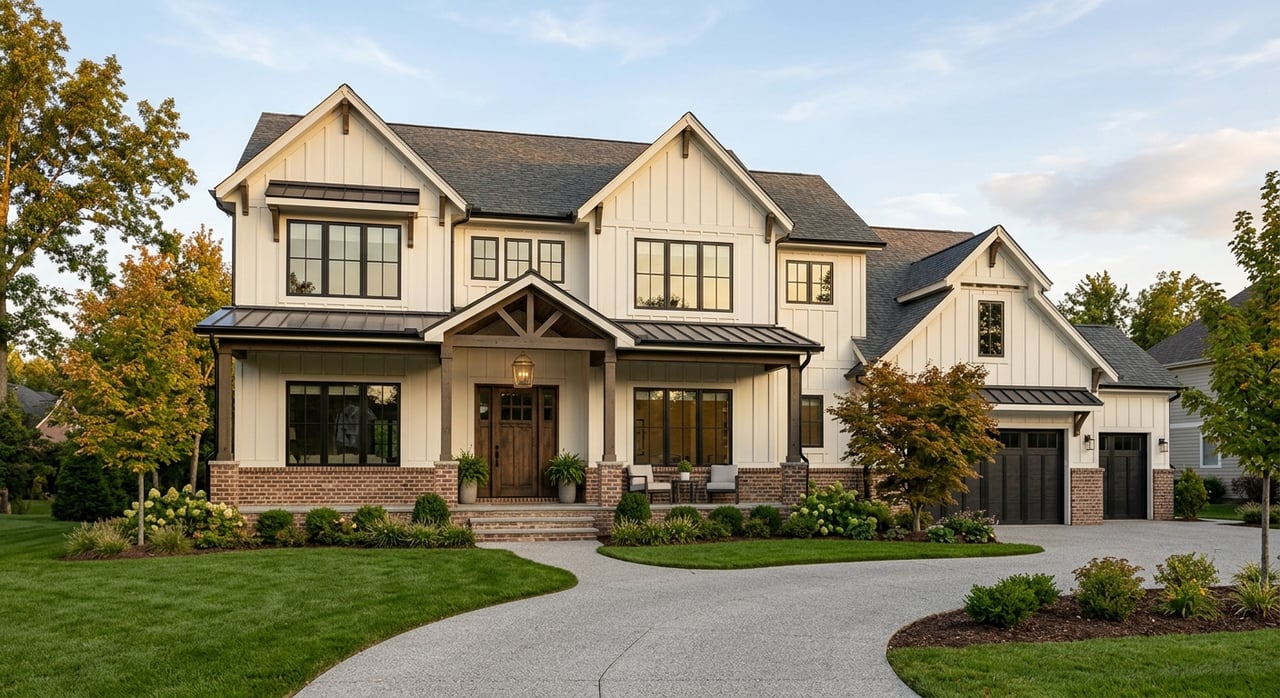
If you are thinking about building new in Hardin Valley, you are probably excited and a little unsure at the same time. A brand-new home can give you the layout, finishes, and feel you want, but the process has more moving parts than many buyers expect. This guide walks you through each step so you can compare builders, choose the right lot, understand inspections and warranties, and move forward with more confidence. Let’s dive in.
Why Hardin Valley draws new-build buyers
Hardin Valley continues to attract buyers who want a growing Knoxville-area location with access to everyday conveniences and outdoor amenities. Visit Knoxville highlights the Pellissippi Greenway entrance on Hardin Valley Road and the Beaver Creek Water Trail that runs to Melton Hill, which helps explain the area’s lifestyle appeal.
Hardin Valley is also part of an active growth corridor. Knoxville-Knox County Planning developed a Hardin Valley Mobility Study, and the countywide Advance Knox land-use and transportation plan was adopted in 2024 to guide future growth and infrastructure. For you as a buyer, that means the area around your lot matters just as much as the home itself.
Step 1: Start with your goals
Before you tour model homes, get clear on what you want from the move. Think about your timeline, budget, preferred home size, and how much customization matters to you. If you are relocating to East Tennessee, this step is especially important because it helps narrow your choices fast.
It also helps to separate your must-haves from your nice-to-haves. A larger yard, a main-level primary suite, or a three-car garage may matter more than upgraded lighting or tile choices. When you know your priorities, builder comparisons become much easier.
Step 2: Study the lot, not just the floor plan
In Hardin Valley, lot choice deserves extra attention. Because the area is growing and transportation planning is active, buyers should look closely at access, traffic exposure, and how nearby development may affect the property over time.
You should also ask about the practical features of the lot before signing a contract. Important items to review include:
- Setbacks
- Slope and drainage
- Privacy
- Future adjacent phases
- Lot premiums
- Utility provider
- Tap or connection fees
- HOA status and design-review rules
A beautiful plan on the wrong lot can create headaches later. Written answers now can help you avoid surprises after the home is underway.
Step 3: Compare builders in writing
When you build new, it is easy to focus on finishes and model-home presentation. A better approach is to compare builders based on written terms, not just appearance. That gives you a clearer picture of cost, expectations, and risk.
Ask each builder to spell out key items in writing, including:
- Base home price
- Included finishes
- Structural options
- Upgrade allowances
- Change-order rules
- Estimated completion timing
- Warranty language
This step matters because two homes that look similar at first can be very different on paper. One builder may include features that another treats as upgrades, and timeline expectations may vary by phase.
Step 4: Confirm which jurisdiction governs the property
One of the most overlooked parts of buying new construction is checking who governs the parcel. In this area, the permitting and inspection process may fall under Knox County or the City of Knoxville, depending on the location. Those systems are separate, and the workflow is not identical.
That matters because your schedule may depend on permits, inspections, and approvals. Before you rely on a build timeline, confirm which authority handles the property and how that may affect the process.
If the home is in Knox County jurisdiction, county code adopts the 2018 International Residential Code, the 2018 International Building Code, and the 2018 International Energy Conservation Code. This is useful background because it shows that local code standards help shape the build, not just the builder’s marketing materials.
Step 5: Understand the timeline
Many buyers want to know exactly how long a new build will take. The most accurate answer is that it depends on the builder, the phase of construction, permit timing, and the specific home and lot.
That is why you should ask how long the builder expects each phase to take. Get those expectations in writing if possible, and remember that estimated completion dates are still estimates. A calm, organized approach helps you plan better, especially if you are coordinating a relocation or sale of another home.
Step 6: Verify school zones by address
If school zoning is part of your decision, do not assume that every Hardin Valley address feeds to the same schools. Knox County Schools lists Hardin Valley Elementary, Hardin Valley Middle, and Hardin Valley Academy as official schools serving the area, and their school pages note opening years of 2000, 2018, and 2008 respectively.
Still, the correct step is to verify the exact lot address. Knox County Schools directs families to the KGIS School Zone Search, which shows zoned elementary, middle, and high schools after an address is entered. When you are comparing lots, this is worth checking early.
Step 7: Keep financing requirements separate
Your lender program can affect the paperwork tied to a new build. Some loan types have specific documentation or warranty requirements that do not apply to every buyer.
For example, HUD states that FHA retained the Warranty of Completion of Construction form for new construction, and the one-year warranty begins when title is conveyed, construction is complete, or occupancy starts, whichever comes first. USDA guidance also includes new-construction closeout warranty requirements. The key takeaway is simple: confirm your lender’s exact requirements early and do not assume they are universal.
Step 8: Schedule your own home inspection
Even when a home is brand new, you should still schedule an independent home inspection. The Consumer Financial Protection Bureau advises buyers to schedule a home inspection as soon as possible after choosing the home so there is time to address problems before closing.
This is important because an appraisal and an inspection are not the same thing. An appraisal helps support the loan, while an inspection is for your protection as the buyer. If possible, attend the inspection so you can better understand the home’s systems, finishes, and any issues the inspector identifies.
Step 9: Remember that code inspections are not a warranty
Many buyers assume that if a city or county inspector approves the home, everything must be perfect. That is not how the process works. Knoxville code language states that inspection or permitting by a jurisdiction is not a warranty of the home’s physical condition or adequacy.
In other words, official inspections and your own inspection serve different purposes. The safest approach is to use a third-party inspector, keep written records, and ask questions before closing if anything seems unclear.
Step 10: Prepare for the final walkthrough
Before closing, plan for a final walkthrough. This is your chance to confirm that finishes, fixtures, and any agreed repairs match what you expected.
Bring your contract documents, upgrade list, and any prior punch-list items with you. Move through the home carefully and take notes. If you find defects or incomplete items, ask how the builder plans to address them and when.
Step 11: Save warranty documents and plan a later check-in
Your work does not end at closing. New construction buyers should keep all warranty documents in one place and track important dates from day one.
It is smart to plan a second review before the first warranty year expires. This matters because some lender-related warranty treatment for new construction ties back to the first year after occupancy or closing. A later check-in gives you time to document concerns and submit warranty items before deadlines pass.
A simple new-build checklist for Hardin Valley
If you want a practical way to stay organized, use this checklist as you go:
- Define your budget and must-haves
- Compare builders by written terms
- Review lot premiums and upgrade allowances
- Check slope, drainage, privacy, and future phases
- Confirm HOA rules and utility details
- Verify whether the property is in county or city jurisdiction
- Ask for estimated timing by construction phase
- Confirm school zoning by the exact address
- Check lender-specific new-construction requirements
- Schedule an independent home inspection
- Complete a detailed final walkthrough
- Save all warranty documents and track deadlines
Why local guidance matters
Building new in Hardin Valley can be a great way to get the home and location you want, but it helps to have a steady process. Between lot selection, builder terms, local jurisdiction, inspections, and warranties, there are many details that deserve close attention.
A calm, detail-oriented approach can make the experience feel much more manageable. If you are buying from out of town or balancing a move on a tight timeline, strong communication and local context become even more valuable.
If you are considering a new-construction home in Hardin Valley and want organized guidance from lot search to closing, Debra Gauthier is here to help.
FAQs
How long does a new build usually take in Hardin Valley?
- It depends on the builder, permit and inspection timing, the phase of construction, and the specific home and lot, so ask the builder for phase-by-phase expectations in writing.
What should you inspect before closing on a Hardin Valley new build?
- Review finishes, fixtures, agreed repairs, and any punch-list items during your final walkthrough, and compare the home to your contract and upgrade selections.
Do you still need an inspector for a brand-new home in Hardin Valley?
- Yes. An independent home inspection is for your protection, and local inspection or permitting is not a warranty of the home’s physical condition.
What happens if the final walkthrough finds defects in a new-construction home?
- Document the issues in writing, ask how the builder will address them, and confirm the repair plan and timing before closing if possible.
How do you confirm the school zone for a specific Hardin Valley lot?
- Verify the exact lot address through the KGIS School Zone Search, because school zoning should be confirmed by address rather than assumed for the area as a whole.